New Institutional Report Released
Access our strategic market perspective on necessity-based real estate and private credit fundamentals.
Read Full Report
Homeownership affordability is at generational lows, U.S. housing supply sits at roughly 3.8 months against 13 months before the 2008 crash, and 544,000 apartment units were absorbed in a single year - led by Class B. Multifamily is our smallest allocation and our fastest-repricing income. Both of those are on purpose.
“The math that used to move a household from renting to buying stopped working. Between price levels and financing costs, the monthly gap between owning and renting the same home is the widest it has been in decades. Households that would have bought three years ago are renting — and they're renting longer, and further up the income curve than the market is used to.”
This generational spread represents a permanent barrier to homeownership, locking high-income demographics into the renter pool indefinitely.

Renter demand is structural, not cyclical. It doesn't depend on job growth in one industry or one company staying in town. It depends on a housing affordability gap that will take years of construction to close — construction that isn't happening at anywhere near the pace required.
New Class A supply delivered into a rent-sensitive market is competing on concessions. Well-located Class B product at an attainable rent has the tenant base and the pricing power. That's the part of the market we buy.
Retail and medical give us ten and fifteen-year certainty. Multifamily gives us the opposite — every unit reprices to market annually. In an inflationary stretch, that's the position in the portfolio that keeps pace, and it's exactly why we hold some of it alongside the long-lease assets.
LOWER GOING-IN YIELD → SMALLER PORTFOLIO ALLOCATION
OWNED FOR WHAT IT DOES TO THE WHOLE, NOT FOR WHAT IT YIELDS ON ITS OWN.
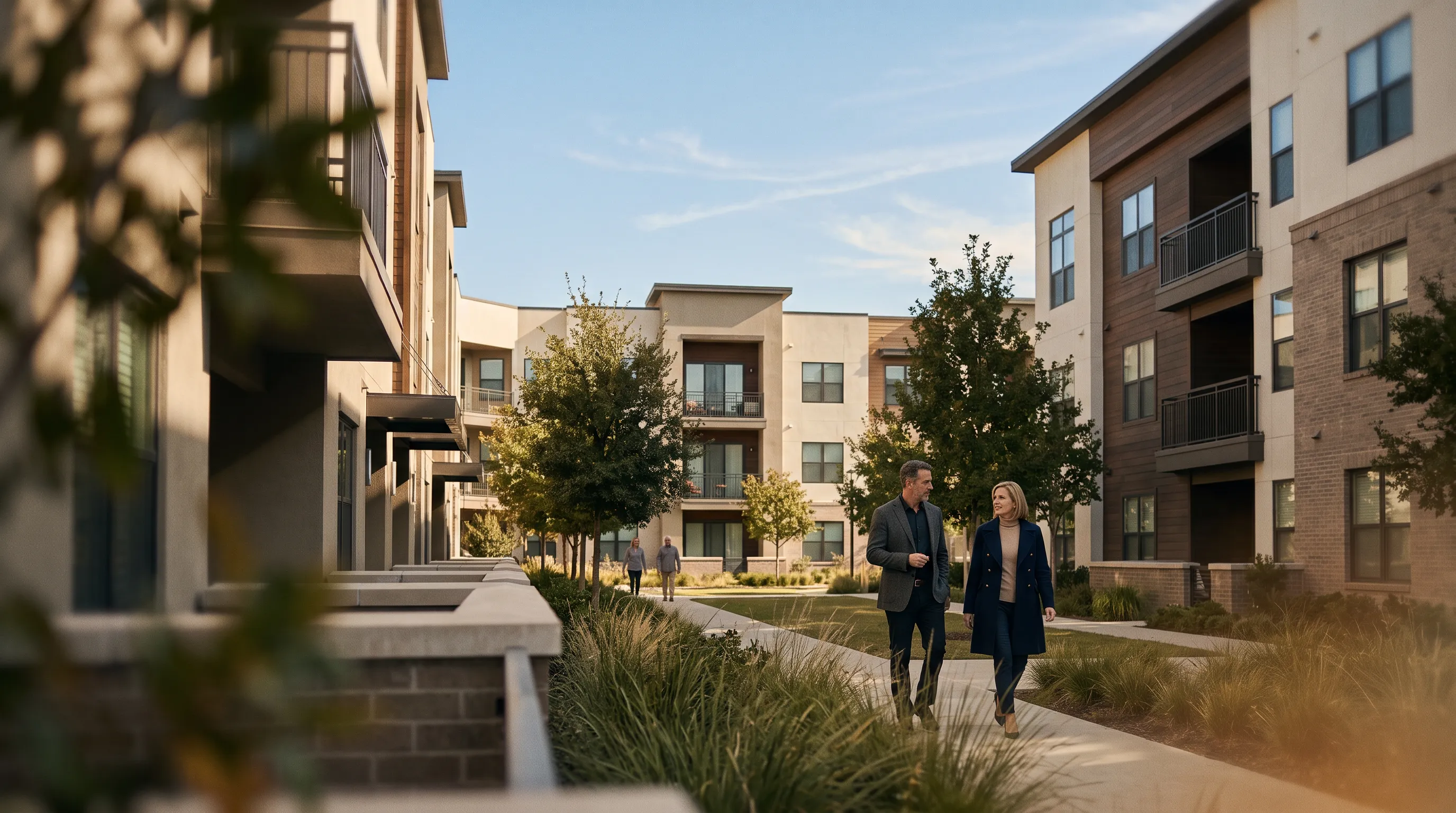
“The opportunity in multifamily isn't finding an apartment building. It's finding one that a professional operator can run meaningfully better than the current one — in a submarket where nobody can build a competing property.”
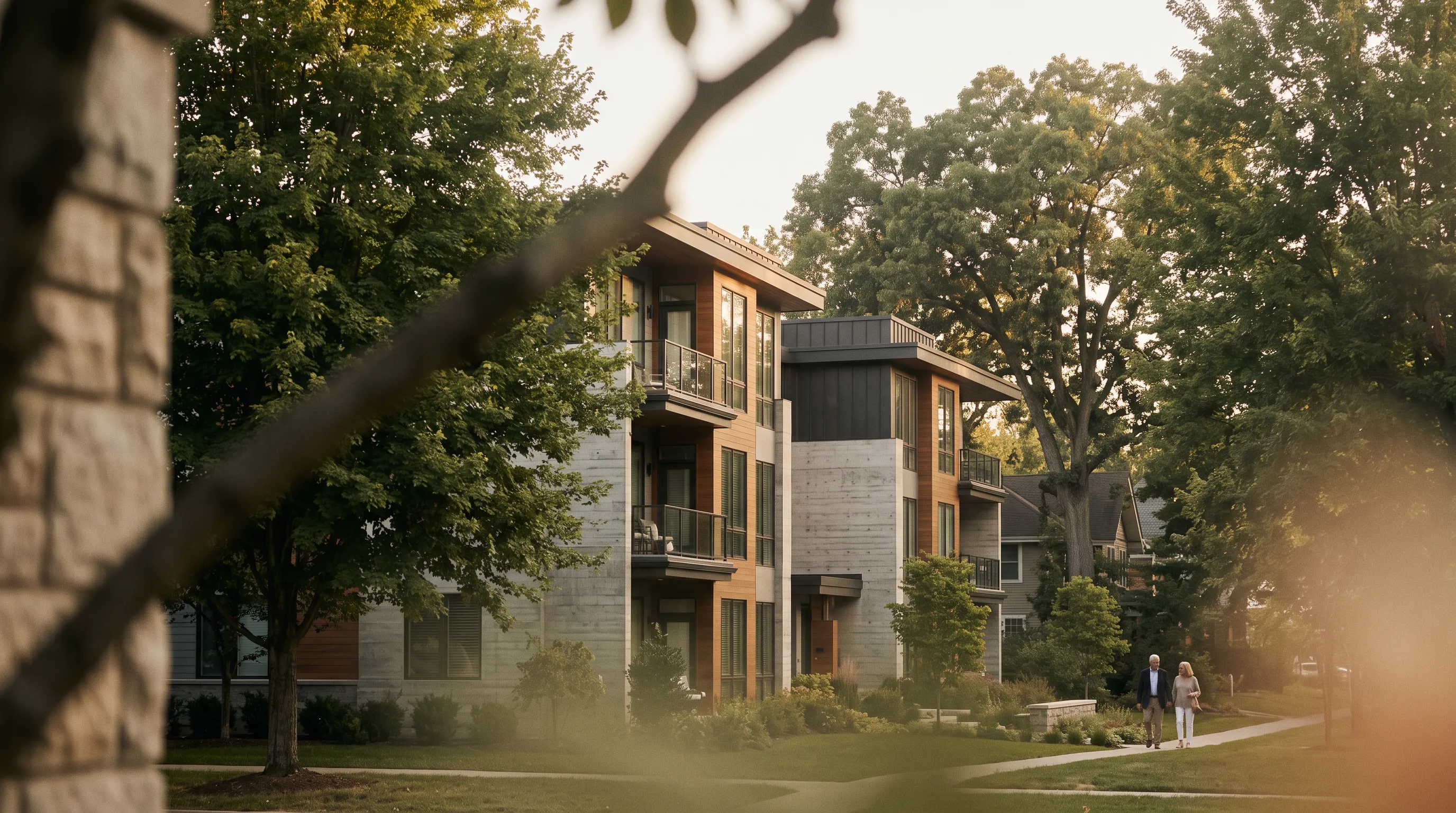
Permitting friction, land cost, or zoning that actively limits what can be built next door. We want the answer to "what happens if someone builds 300 units across the street" to be "they can't."
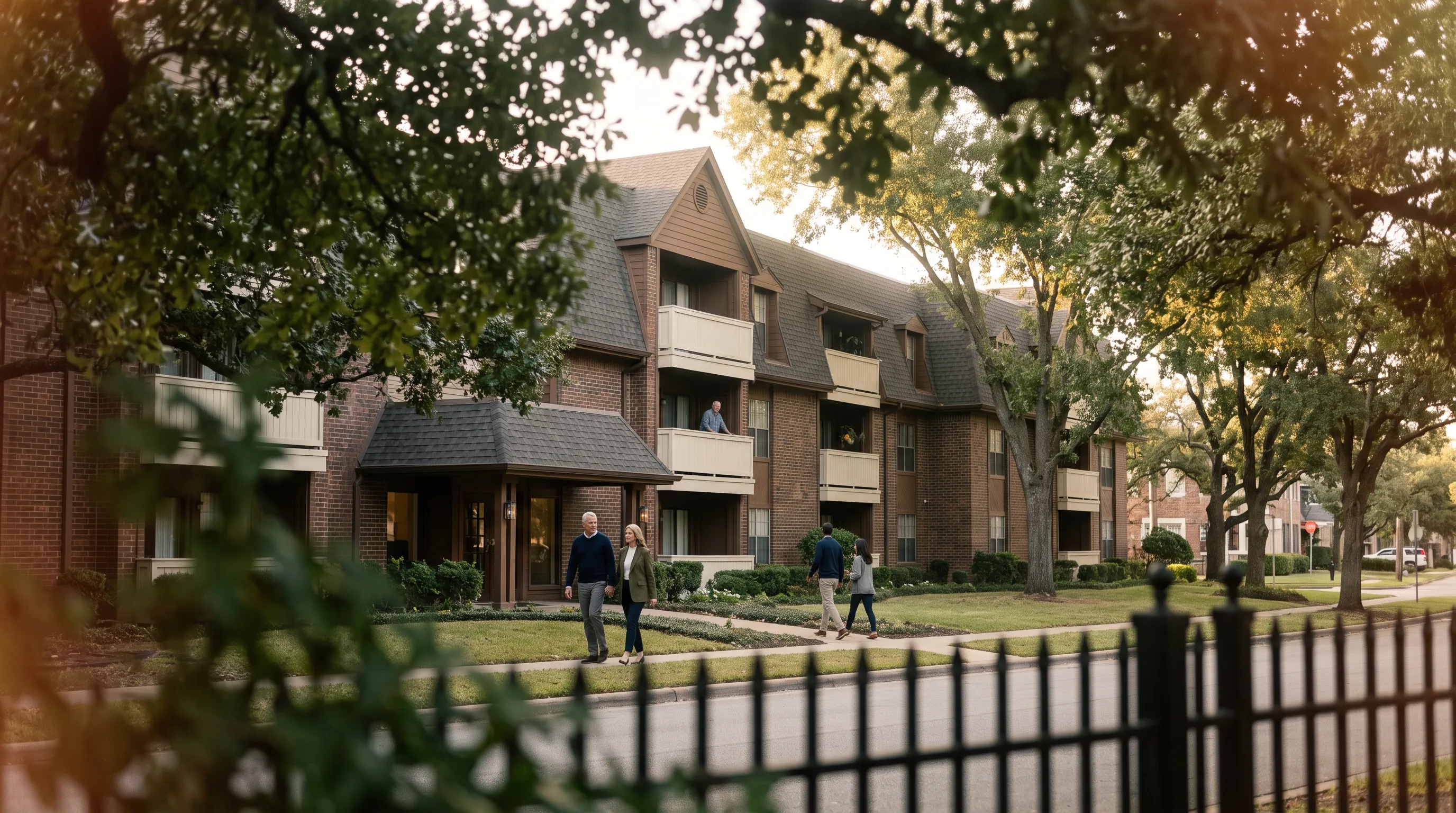
A 1980s-2000s vintage property in a neighborhood that has moved up around it. The location is already paid for; the building is what needs work.
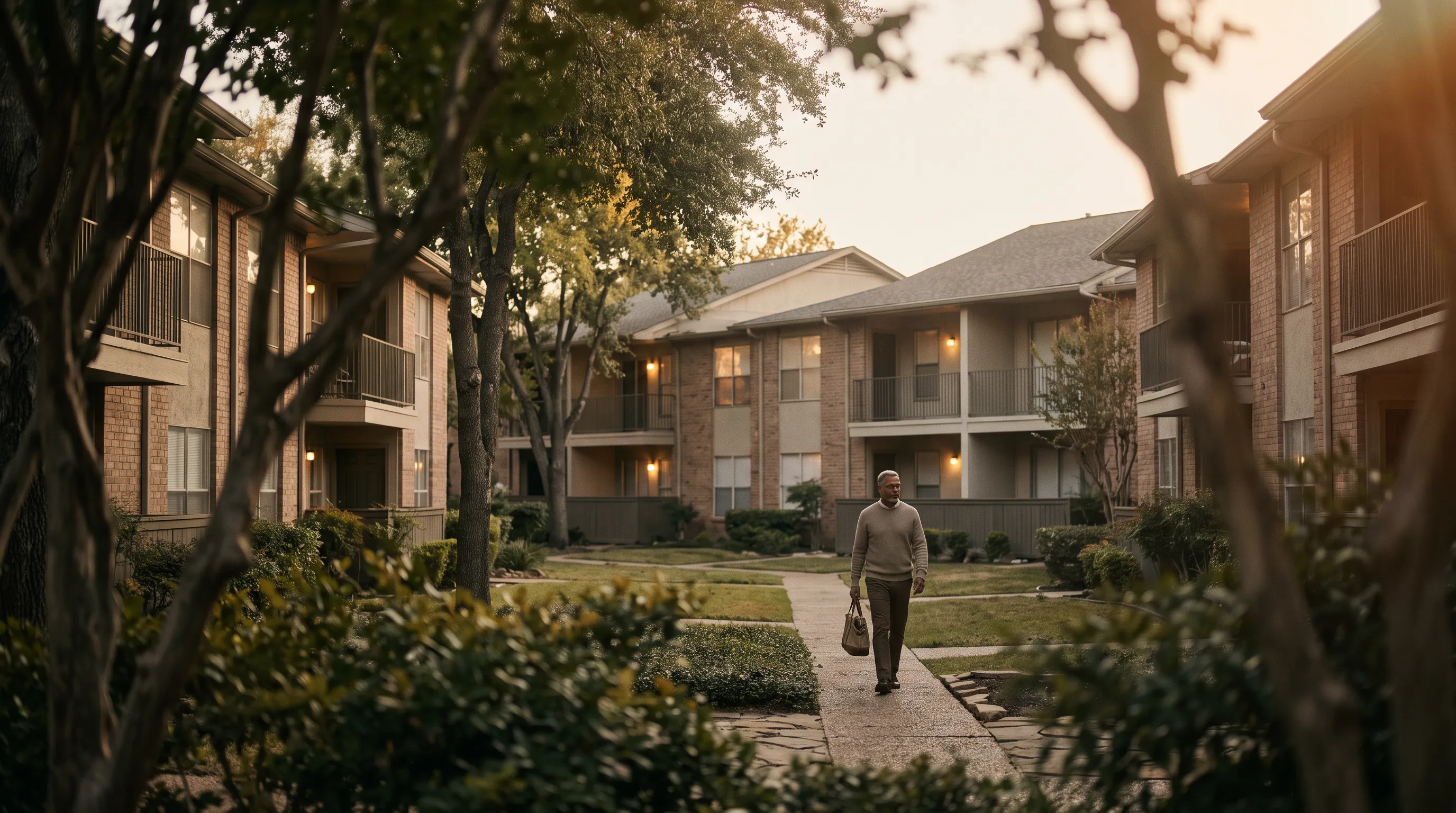
An owner who hasn't pushed rents through the last three years, or who is running a 92% occupancy at a rent 12% under the comps. That's not a stable asset - that's an unmanaged one.
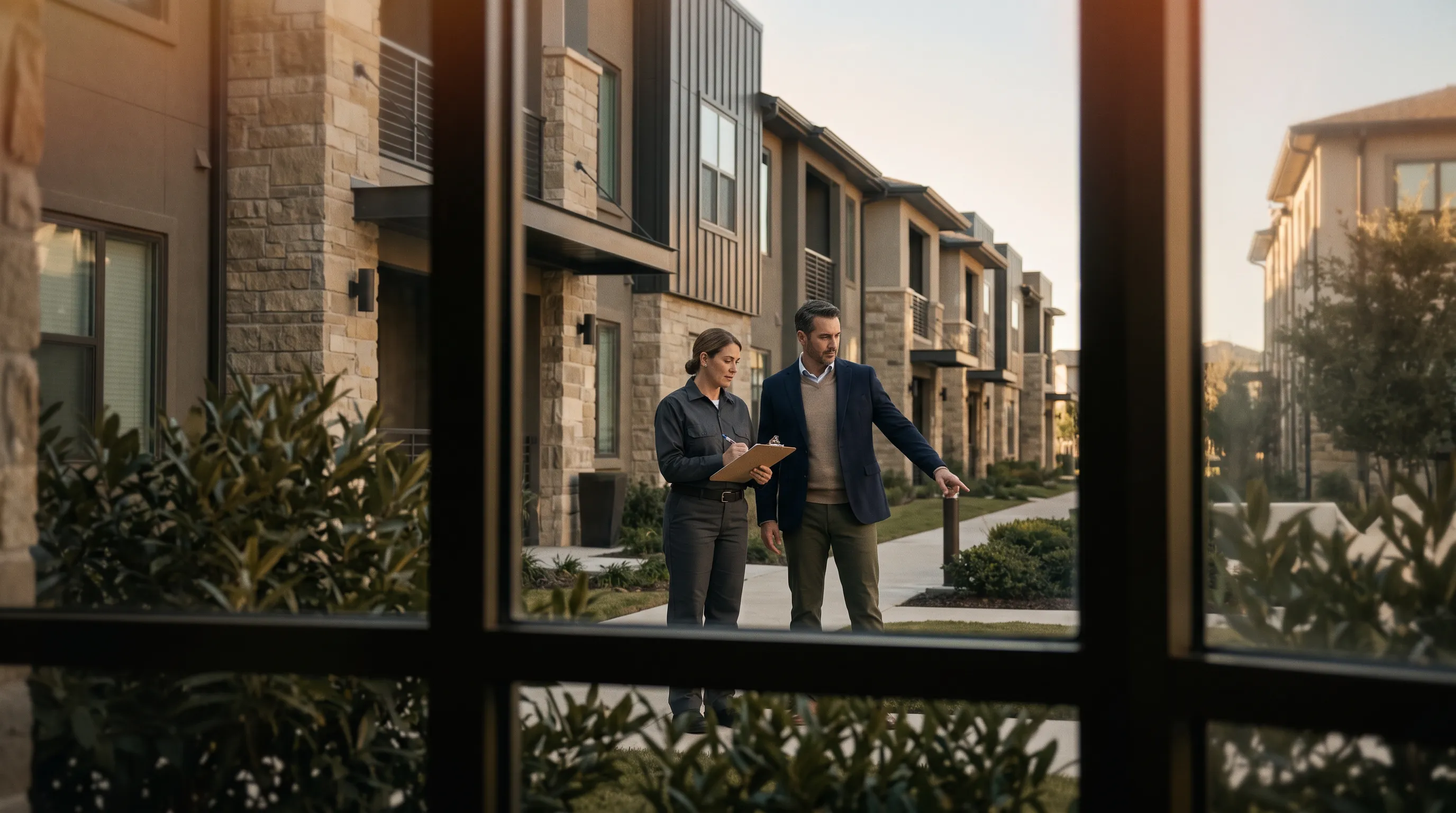
Turn times measured in weeks instead of days. No renewal program. Utilities not billed back where the market bills back. Payroll and contract services that were never re-bid. Marketing that's a sign on the fence.
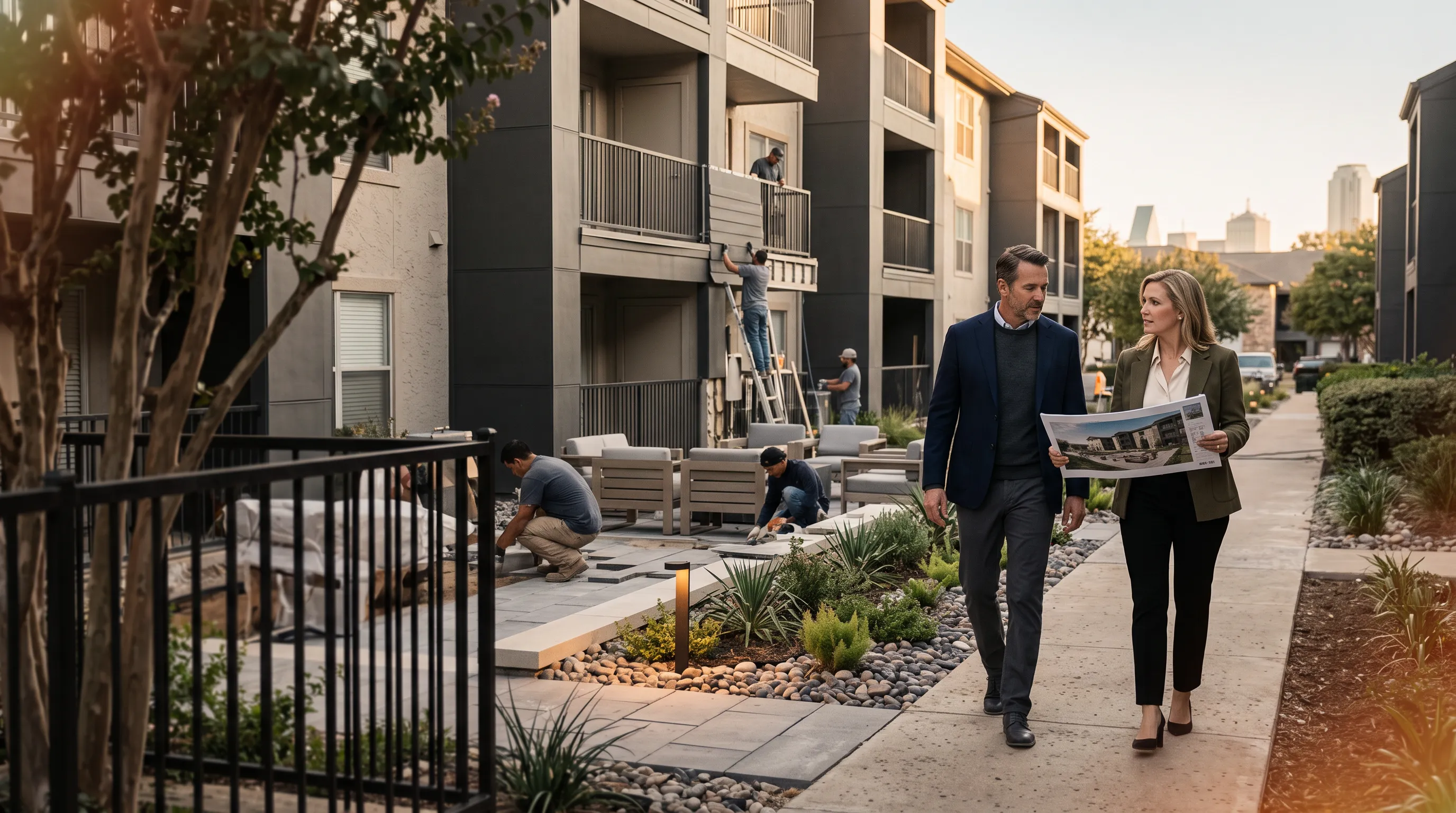
Interiors, amenities, exteriors - a unit-by-unit budget with a specific rent premium attached to each item and comps that prove the premium is real. If we can't point to the comp, we don't underwrite the lift.
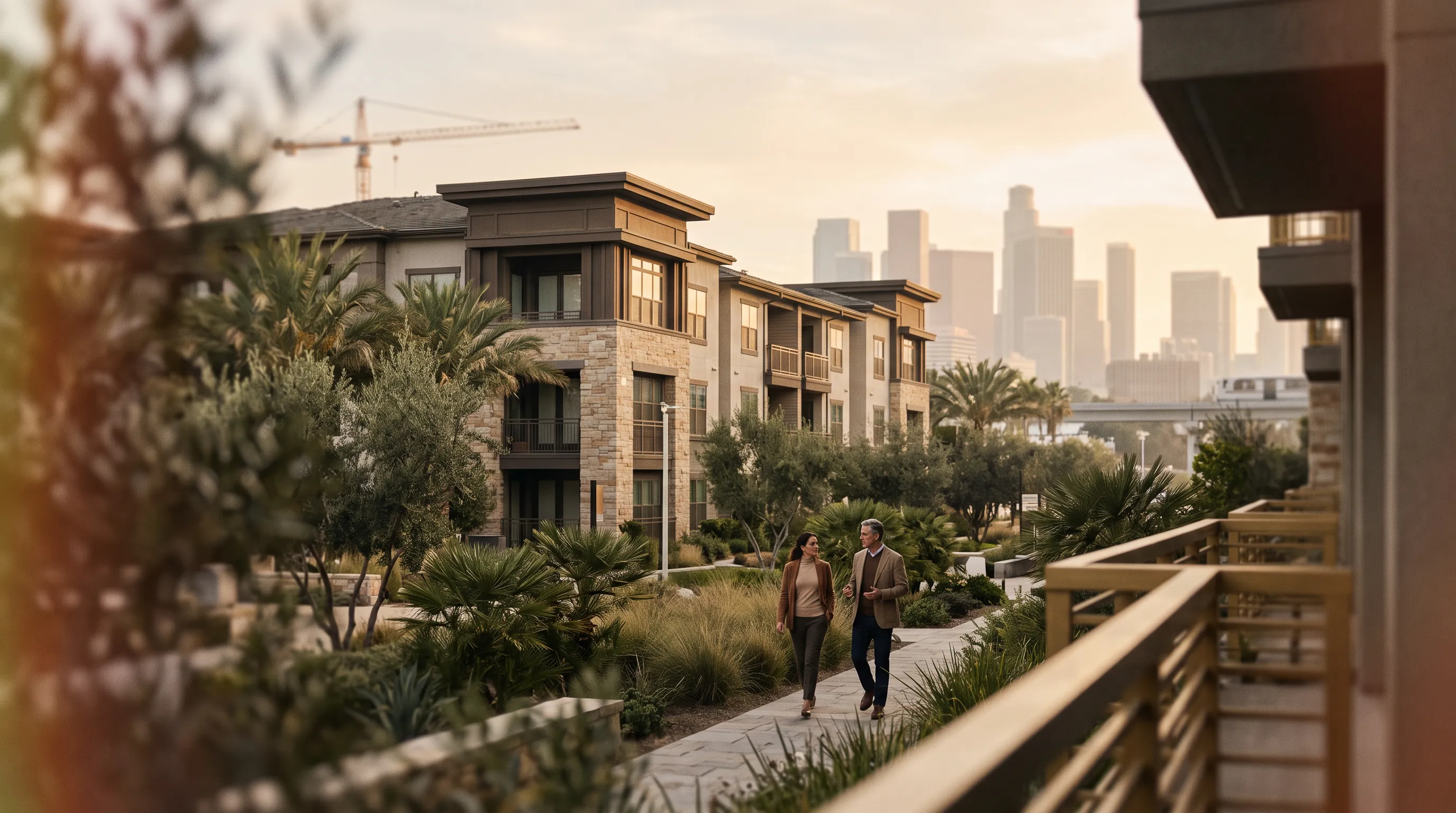
Population inflow, employment diversification, and a local property management partner already in place. We manage what we can reach.
OUR ACQUISITION CRITERIA
A disciplined, dual-focus approach to multi-family. We target physical stability where economic improvements unlock the real yields.
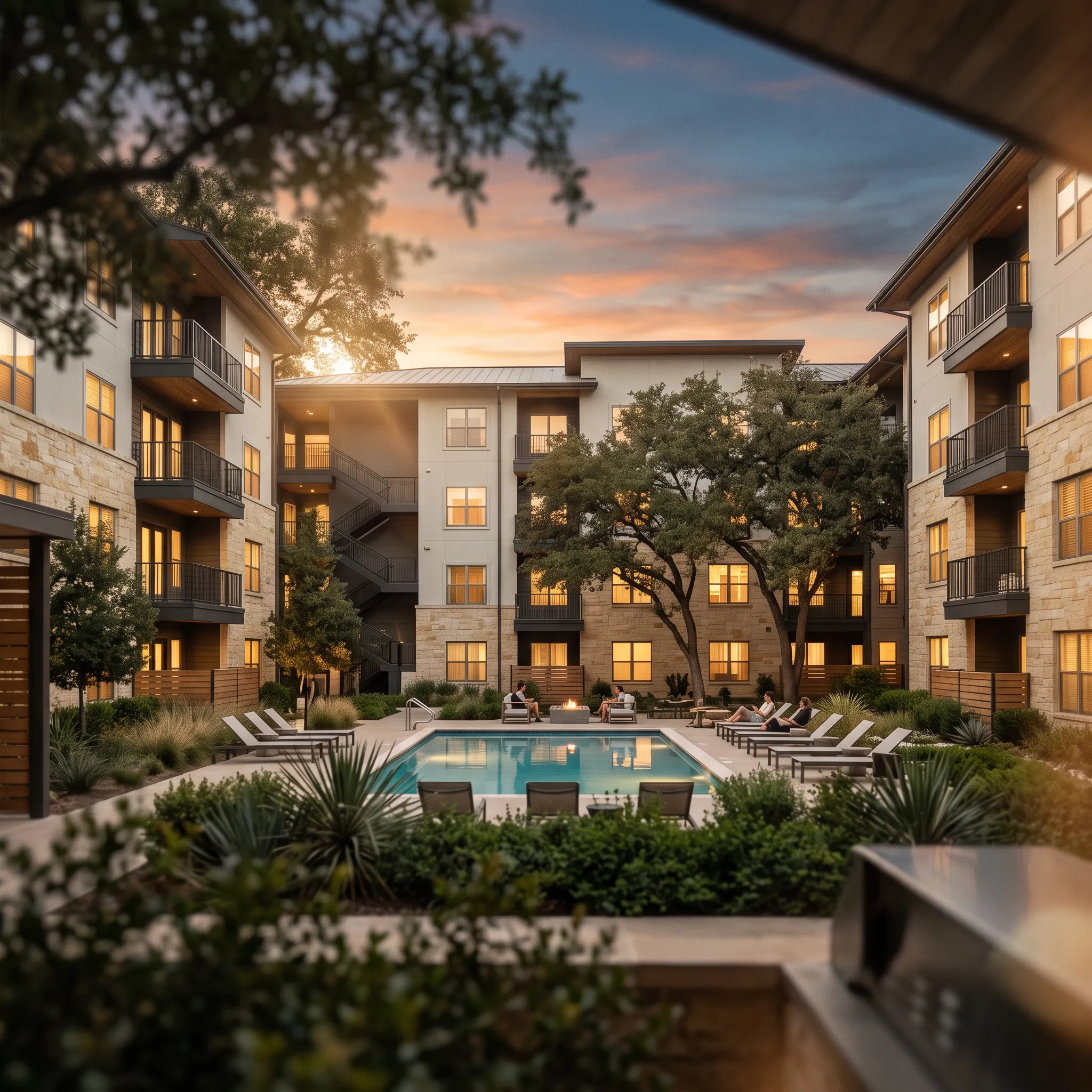
Stable Class B environments built around daily-needs infrastructure and long-term tenant loops.